Everything worth showing, newest first. Live products are in the App Store; the rest is in development, finished research, or an experiment that taught me something.
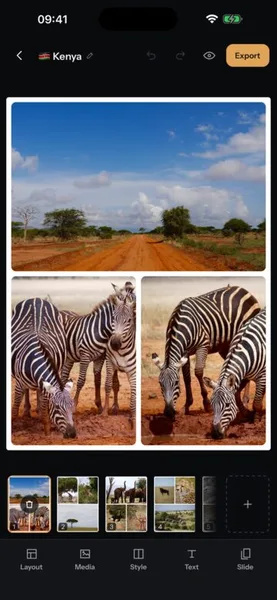
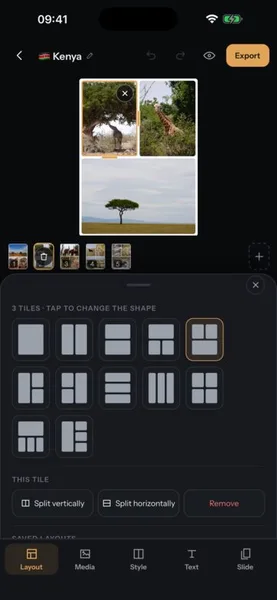
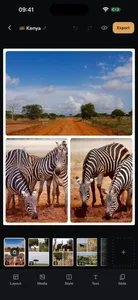
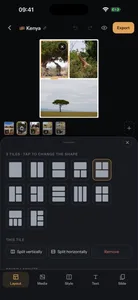
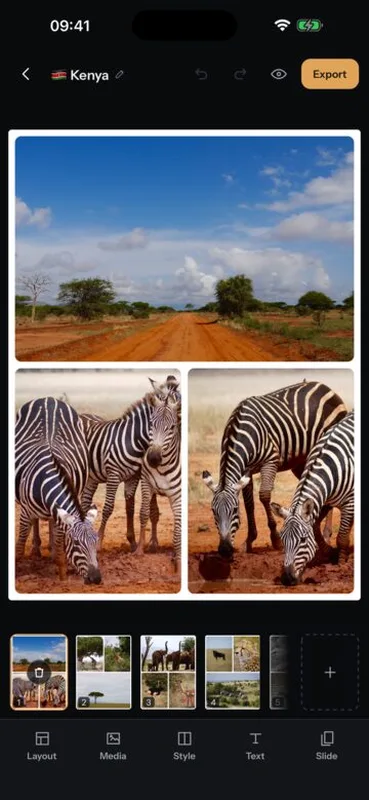
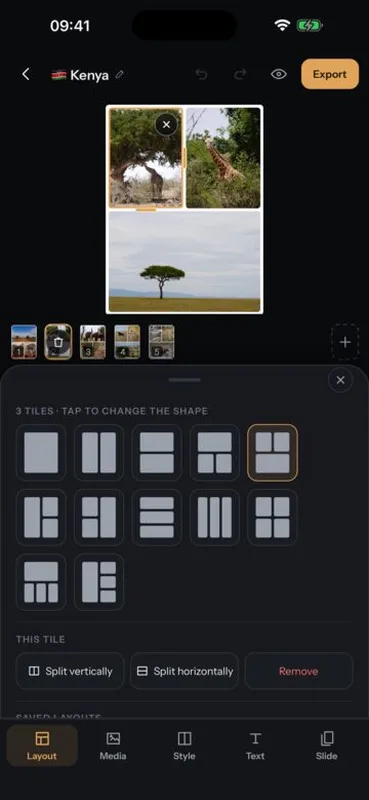
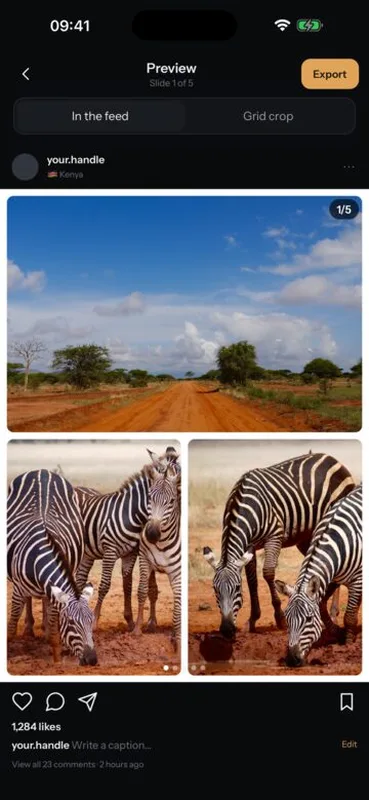
Holiday photos rarely fit one frame. Swipeable lays them out slide by slide: pick a layout per slide, crop, mix photos and video, add text, then preview the result in the feed and the profile grid before exporting. Free, with Swipeable Pro as a single in-app purchase.
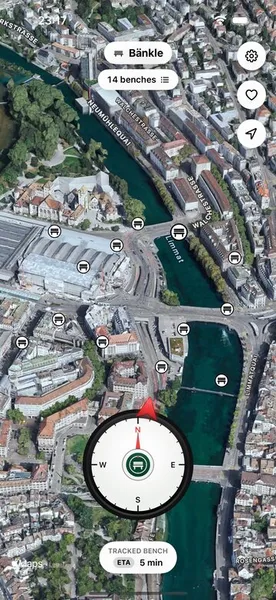
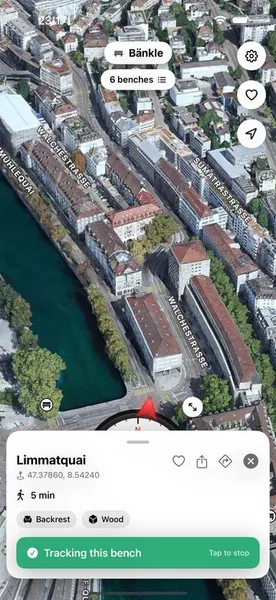
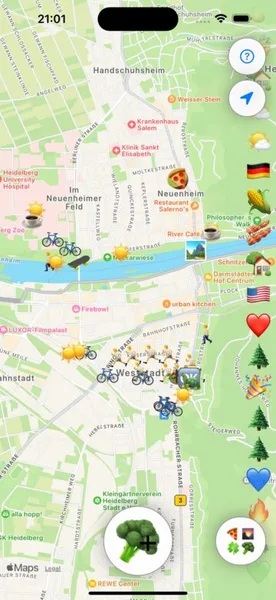
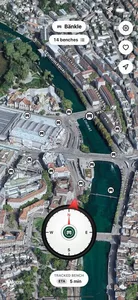
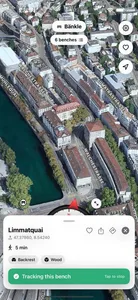
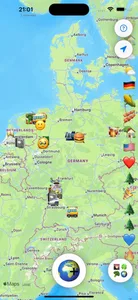
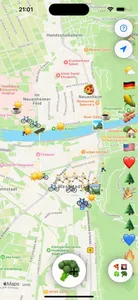
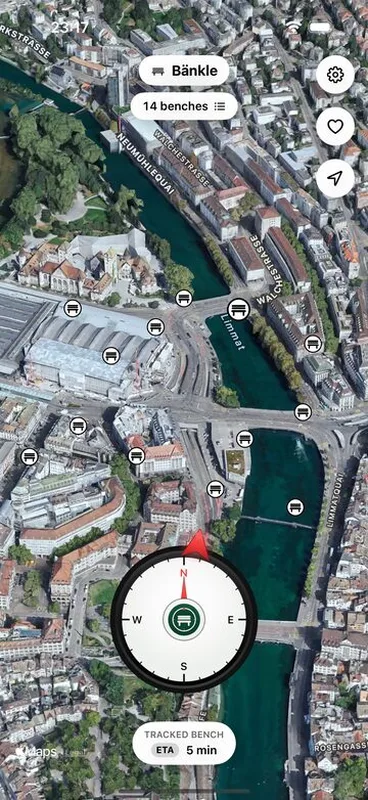
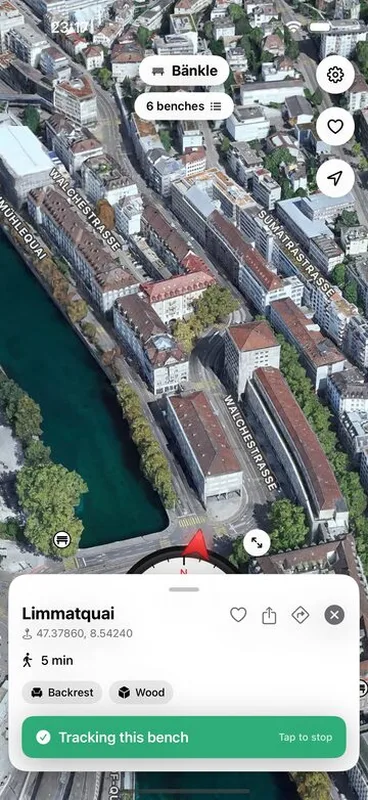
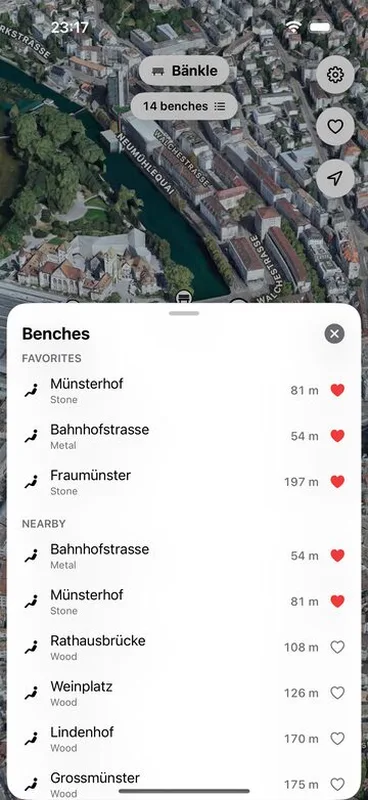
Bänkle shows public benches from OpenStreetMap on a satellite map. Pick one and a compass with walking time takes you there; save favorites and see what kind of bench to expect.
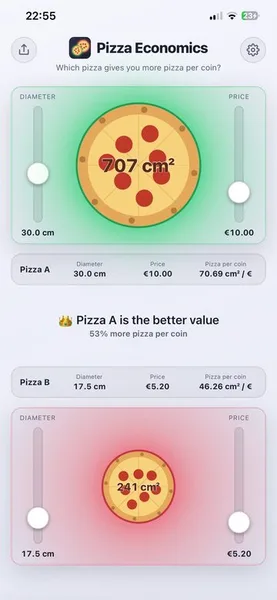
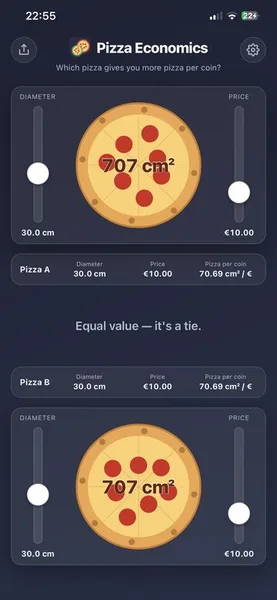
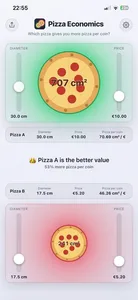
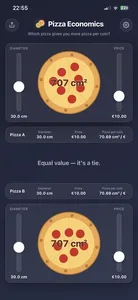
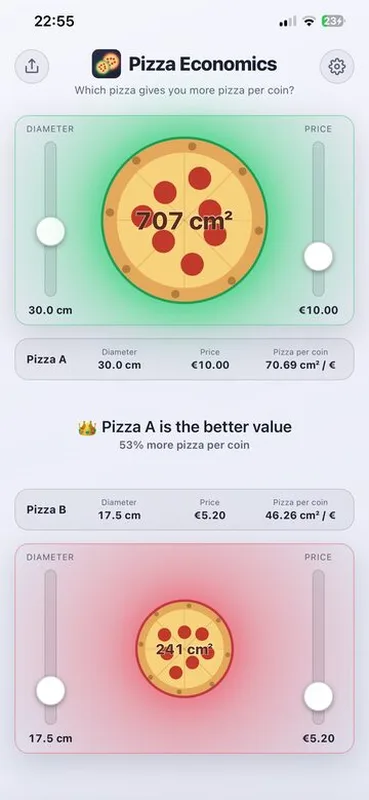
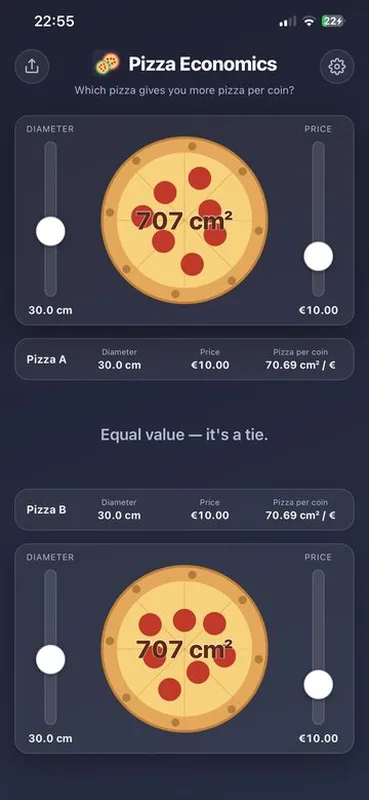
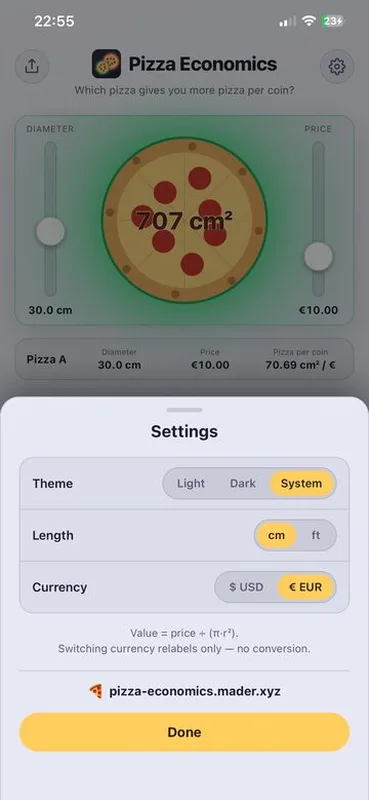
Enter two diameters and two prices and the app compares the price per square centimeter, then tells you which pizza wins, or that it is a tie. A small paid app for one question that comes up surprisingly often.
kiloWatty lets owners of solar panels share surplus electricity with people in their region instead of feeding it into the grid. Martin runs the business side; I design and approve the software.
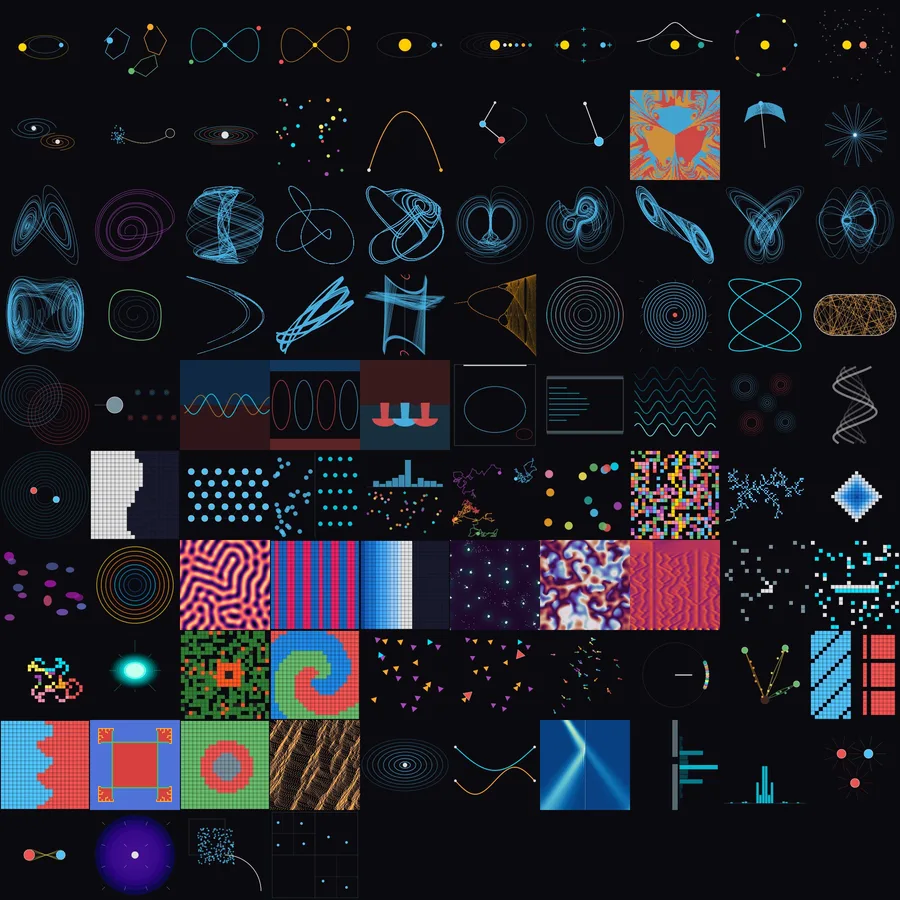
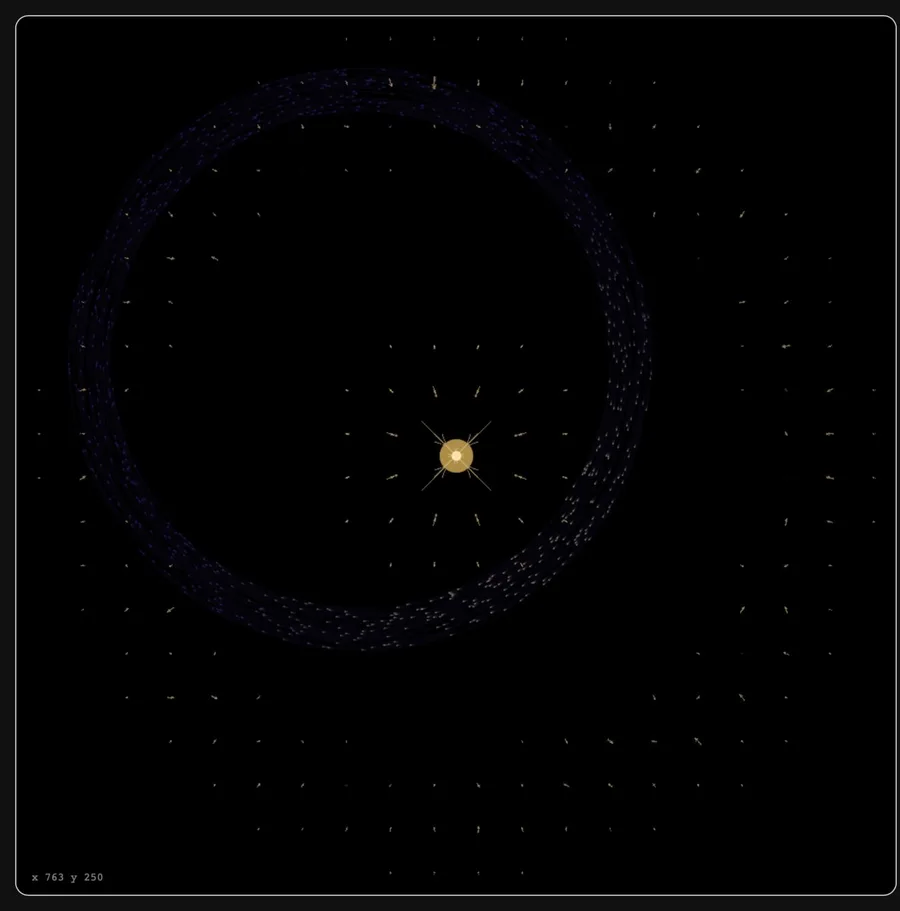
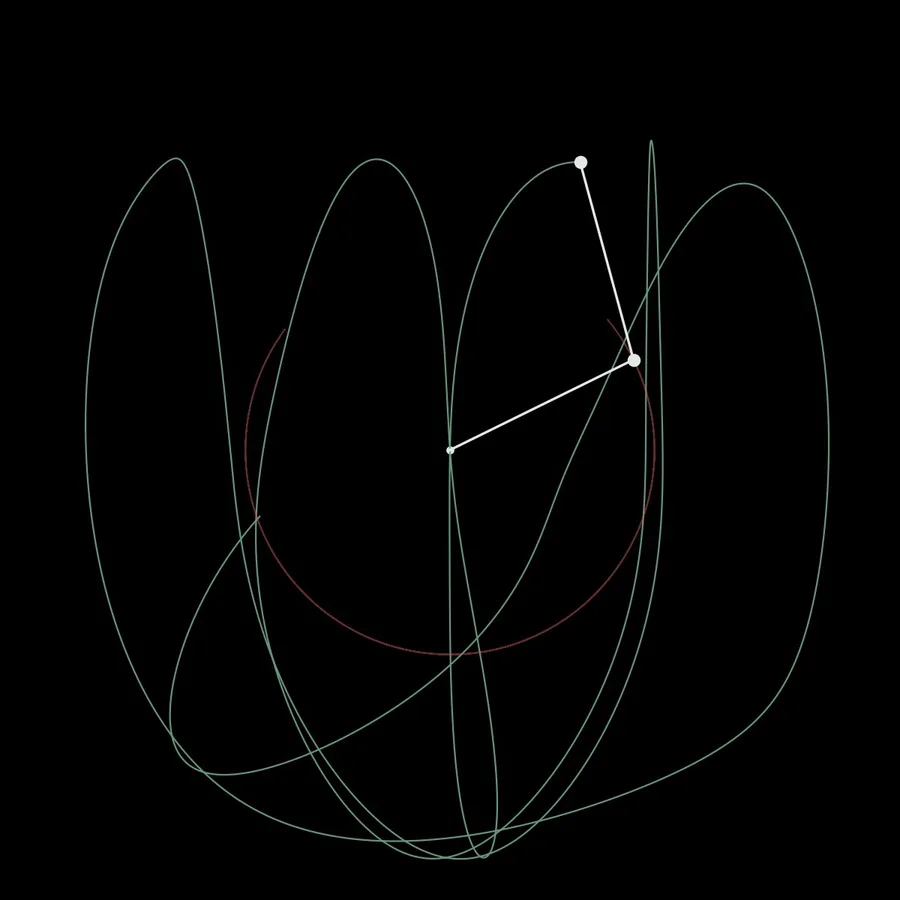
A Rust engine compiled to WebAssembly that runs every simulation in the lab: N-body gravity with velocity Verlet, chaotic systems with Runge-Kutta, fluid and field solvers, cellular automata and agent models, each with live parameters and presets. Third rewrite, after Python and an earlier Rust version.
Planets start as dust grains that stick together. Integrating the Smoluchowski equation for that is expensive; my thesis sampled the collisions stochastically instead and measured how much accuracy that trades for speed.
An old pygame solution to a lecture exercise, recorded and uploaded without expectations in December 2022. The double pendulum video alone passed 450,000 views; the channel has grown into a series of physics visualizations.
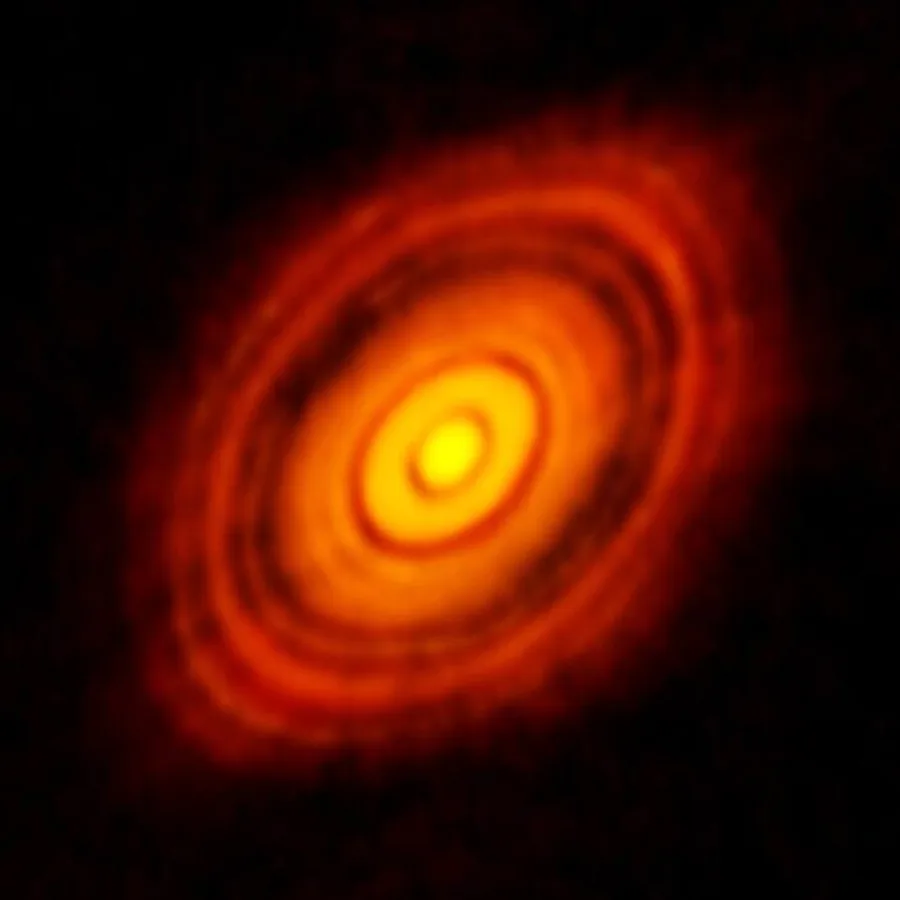
Hydrodynamic simulations with FARGO2D1D, analyzed in Python: planets on eccentric orbits carve broader, shallower gaps into their disk and accrete gas faster.